
Introduction
Upgrading your laptop’s performance doesn’t have to be complicated. A solid-state drive (SSD) offers the speed and reliability your device needs. Compared to traditional hard disk drives (HDDs), SSDs deliver faster boot times and smoother operation. In this guide, we’ll delve into essential SSD features, highlight top picks for 2024, and provide practical advice on choosing and installing the best SSD for your laptop.
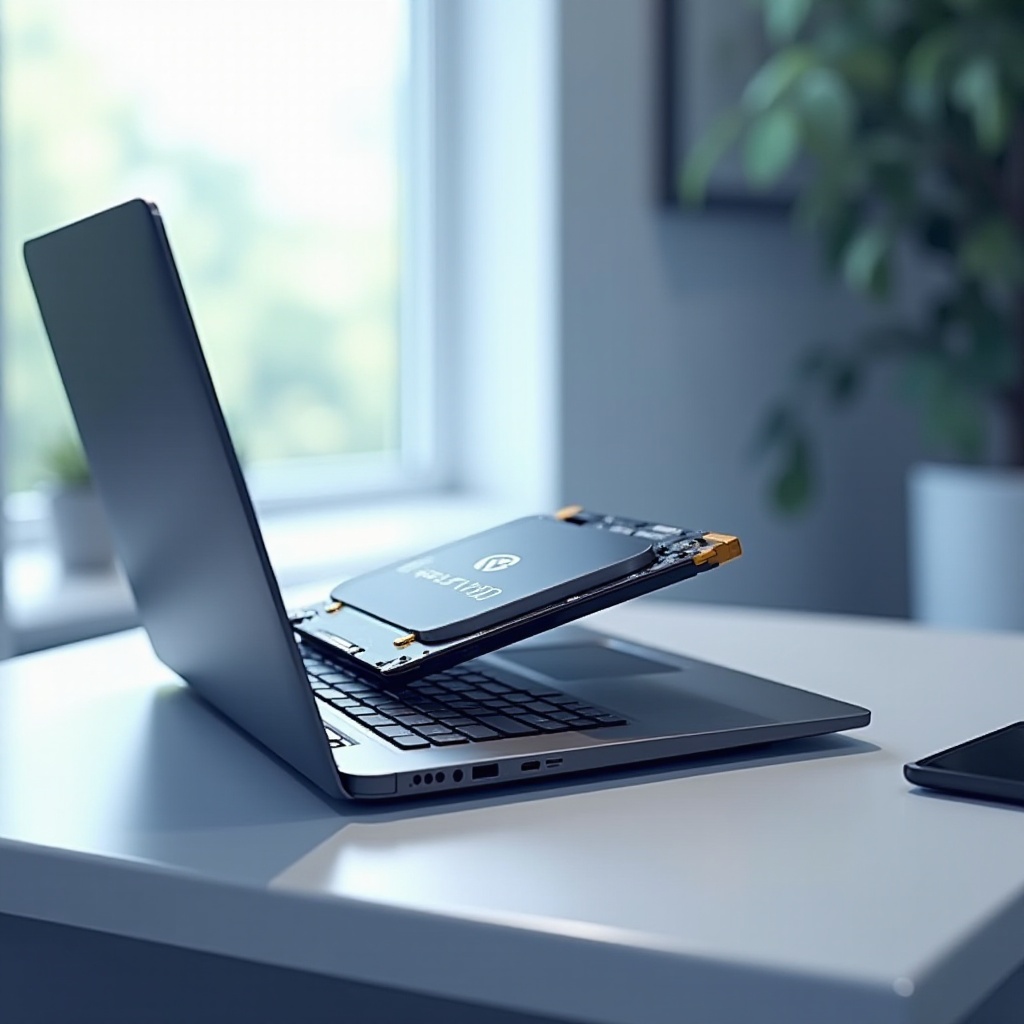
Understanding SSDs
SSDs are a must-have for improving your laptop’s performance. What sets SSDs apart from HDDs is their speed and durability. SSDs eliminate moving parts, ensuring quicker data access and increased reliability. If enduring long load times and lag is an issue, an SSD can transform your laptop experience, allowing applications to launch faster and operate more smoothly.

Key Features of SSDs in 2024
With 2024 technology advancements, SSDs boast remarkable features. Enhanced speed capabilities let you transfer data or access files swiftly. Focus on SSDs with high read/write speeds—they’re crucial for high-demand tasks such as video editing and running complex programs.
Choosing the right SSD also involves understanding form factors, like 2.5-inch and M.2, each compatible with different laptop models.
Interface type is equally important. SSDs with interfaces like SATA, NVMe, and PCIe Gen 4 offer varied performance levels. NVMe SSDs generally outperform SATA, while PCIe Gen 4 provides cutting-edge speed for users with the highest demands.

Top SSD Brands and Models for Laptops
Recognizing leading brands can guide your purchase decision. Brand 1 stands out for its innovation and reliability, offering models that suit both daily tasks and professional needs.
For budget-friendly yet efficient options, Brand 2 delivers commendable performance without a hefty price tag. Their models strike a balance between cost and speed.
Brand 3 excels in crafting high-performance SSDs geared towards gamers and intensive applications, making their models the go-to for those seeking maximum speed.
How to Choose the Best SSD for Your Laptop
Selecting the optimal SSD involves several considerations. Start by assessing your storage capacity needs—SSDs are pricier per gigabyte than HDDs, so it’s important to choose wisely.
When balancing performance and price, remember that top-tier speed often comes with higher costs. Evaluate your primary usage—are you a professional creative or a casual user? This assessment helps narrow down your choices.
Compatibility is another crucial factor. Confirm that your selected SSD matches your laptop’s interface and form factor requirements. Look for future-proof features, ensuring your investment remains valuable down the line.
Installation Guide for SSD Upgrades
Once you’ve selected your SSD, the next step is installation. Prepare by backing up your data and gathering essentials like a screwdriver and compatible cloning software.
Follow these installation steps:
- Turn off your laptop and remove the power source.
- Locate and gently remove the existing drive.
- Securely insert the new SSD.
- Restore data from your backup.
This simple process revitalizes your laptop with enhanced speed and functionality, all with minimal effort.
Conclusion
Opting for the best SSD for your laptop can vastly improve your computing experience. With increased speed and efficiency, an SSD upgrade is a valuable investment for anyone seeking superior performance. This guide provides insights into understanding essential SSD features, evaluating top brands, and selecting the perfect model—empowering you to make an informed choice that fits your needs.
Frequently Asked Questions
What is the difference between SATA and NVMe SSDs?
SATA SSDs use an older interface, offering decent speeds, while NVMe SSDs utilize PCIe, providing significantly faster data rates.
Can any SSD fit into my laptop?
Not all SSDs fit every laptop. It’s essential to check your laptop’s specs for compatible form factors and interfaces.
How long does an SSD typically last?
An SSD can last from five to ten years, depending on usage patterns and quality. Updates and maintenance, like firmware updates, can extend its lifespan.