
Introduction
OLED TVs are setting new standards in the realm of home entertainment with their unparalleled picture quality and innovative technology. As you consider upgrading your TV, you might wonder if an OLED is the right choice for you. This guide will explore the advantages, potential drawbacks, and comparisons with other TV technologies, helping you make an informed decision.
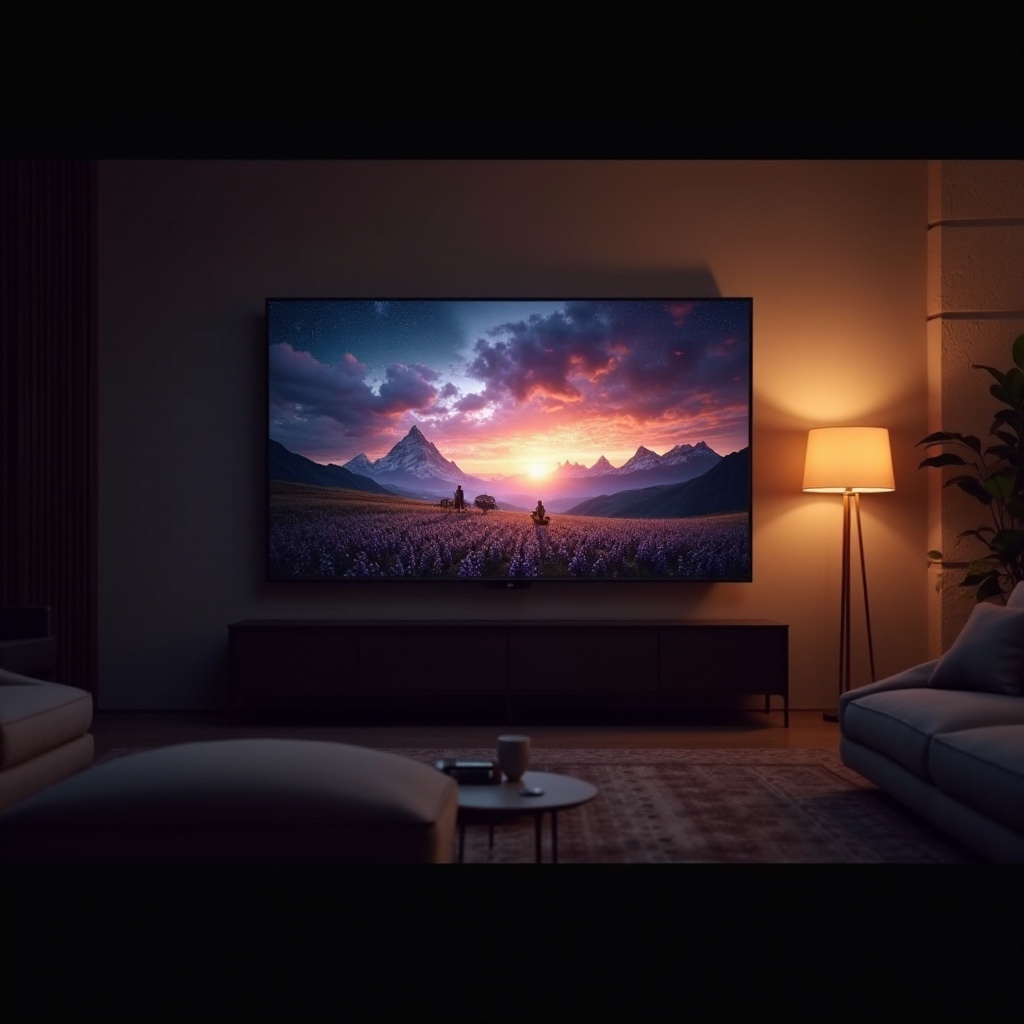
Understanding OLED Technology
OLED, or Organic Light Emitting Diode, offers a superior viewing experience by using self-emitting pixels. These pixels allow OLEDs to produce truly deep blacks and vibrant colors, enhancing overall picture quality in a way that traditional LEDs and LCDs cannot. In addition to outstanding visuals, OLED televisions are known for their sleek, thin designs, contributing to their appeal in modern home settings.
OLED technology’s self-emissive nature not only improves image quality but also facilitates flexible design capabilities. Despite these benefits, the advanced nature of OLED TVs often comes with a higher price point than other TV technologies.
Advantages of OLED TVs
OLED TVs stand out with several significant benefits:
1. Picture Quality: OLED’s ability to render true blacks and bright whites creates a contrast that dramatically improves image depth and clarity.
2. Color Accuracy: With each pixel independently controlled, OLED TVs deliver stunningly realistic colors, making them exceptional for viewing vibrant content.
3. Wide Viewing Angles: OLED screens maintain picture integrity from various angles, making them ideal for communal watching environments.
These benefits make OLED TVs a top choice for those seeking an immersive viewing experience. However, potential buyers should also consider some practical aspects before purchasing.
Considerations Before Buying an OLED TV
While OLED TVs promise incredible performance, there are factors to weigh carefully:
– Cost: Typically higher than LED and LCD TVs, the cost of OLEDs can be a significant consideration for budget-conscious buyers.
– Burn-In Risk: Despite advancements, OLEDs can suffer from burn-in, where static images might leave permanent marks.
Understanding these considerations is vital in deciding whether an OLED fits your lifestyle and budget. To form a well-rounded view, it is essential to compare OLED TVs with other available technologies.
Comparing OLED with Other TV Technologies
The wide variety of TV technologies today—OLED, LED, QLED, and LCD—each offers unique benefits:
– LED TVs: More affordable and ideal for bright environments, they fall short of OLED’s depth in contrast and color richness.
– QLED TVs: Combining LED with quantum dots, QLED offers exceptional brightness and color range but cannot match OLED’s deep black portrayal.
– LCD TVs: A budget-friendly option, LCDs are suitable for casual viewers but lag in performance compared to OLED TVs.
For those who prioritize picture quality and aesthetics, OLED televisio…ns remain an attractive choice. Yet, understanding consumer experiences can further inform your decision on whether to invest in one.

Consumer Reviews and Experiences
Owners of OLED TVs frequently commend their superior picture quality and sleek designs. Many users appreciate the enhancement in their viewing experiences, particularly for watching movies or gaming. However, some concerns persist regarding price points and potential screen issues like burn-in.
Notable models such as the LG C1 and Sony Bravia A80J series receive high praise for their impressive image processing and intuitive features. Engaging with these consumer insights can illuminate what you might expect when opting for an OLED TV.

Conclusion
Deciding if an OLED TV is worth the investment depends on your specific needs and viewing habits. With unparalleled visuals and modern design, OLED TVs offer a premium experience that may justify their higher cost if you’re looking for top-tier quality. Consider your lifestyle, how you’ll use the TV, and your budget to make the best choice for your home entertainment setup.
Frequently Asked Questions
Are OLED TVs good for gaming?
Yes, OLED TVs are excellent for gaming due to their fast response times and superior image quality.
How long do OLED TVs typically last?
OLED TVs can last several years with proper care, comparable to other types of TVs, but it’s crucial to avoid static images to prevent burn-in.
Do OLED TVs suffer from burn-in issues?
Although newer models have improved technology to mitigate burn-in, it’s still a potential issue with static images. Proper use can minimize this risk.