
Introduction
Selecting the right TV antenna dramatically enhances your viewing experience by providing clear, high-quality broadcasts. Ultralink has grown popular for its reliable products and cutting-edge technology. This guide dives into detailed reviews of Ultralink’s top models, their unique features, and comparisons with competitors. By reading on, you will be equipped to make a well-informed decision that perfectly suits your needs.
Understanding Ultralink TV Antennas
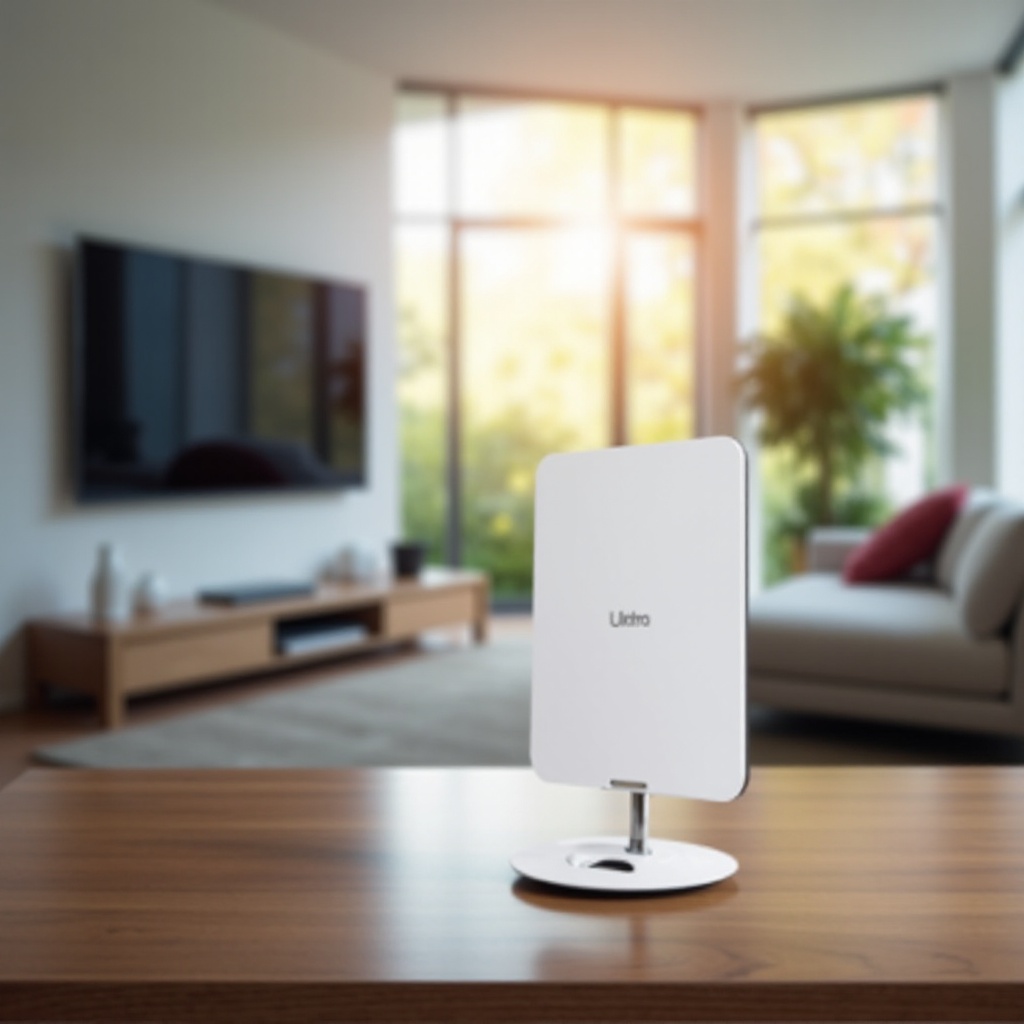
Before exploring model specifics, it is crucial to understand why Ultralink TV antennas are popular. Known for their innovation and quality, Ultralink antennas include features aimed at improving signal reception and ensuring a user-friendly experience.
Ultralink antennas capture radio waves from broadcast towers and convert them into the audio and video signals seen on your TV. The integration of advanced signal processing technologies ensures stable and high-quality signals, even in challenging reception areas.
Key Features of Ultralink TV Antennas
Familiarity with the key features of Ultralink TV antennas is vital when evaluating a suitable model.
-
Signal Range and Quality: Ultralink antennas are celebrated for their exceptional signal range. Models can capture signals from over 60 miles away, ensuring access to distant stations with minimal interference.
-
Design and Durability: Constructed from quality materials that withstand various weather conditions, these antennas offer longevity. Their sleek design allows them to blend discreetly into home decor while delivering robust performance.
-
Ease of Installation: Ultralink antennas are known for their straightforward installation process. They come with comprehensive guides that ease the setup, reducing any potential barriers.
Top Ultralink Models Reviewed
To provide a thorough perspective, let’s delve into specific models, highlighting benefits and potential drawbacks.
-
Ultralink Model A: This entry-level model offers excellent value for budget-conscious consumers. Despite its affordability, it provides stable signal reception across various channels, though its range may be limited for very rural areas.
-
Ultralink Model B: A mid-range option featuring an extended range and dual-band reception capabilities. This model supports HD-quality broadcasts, making it ideal for suburban users.
-
Ultralink Model C: As the premium choice, Model C is suited for users requiring top-tier performance. It delivers high-definition signals over long distances and has a robust build for extreme environments.
Comparing Ultralink with Competitors
Although Ultralink stands strong in the antenna market, comparing it to competitors is informative. Assessing performance, price, and user satisfaction helps clarify why Ultralink may be your best option.
-
Performance: Ultralink models consistently deliver superior signal quality, thanks to their advanced filtering technology, ensuring minimal dropouts and reliable performance.
-
Price and Value: While Ultralink models may carry a slightly higher price tag, the features and quality often justify the expense. Competitors may offer cheaper options but frequently lack advanced features.
-
User Satisfaction: Customer reviews favor Ultralink for ease of setup, signal stability, and supportive customer service. Satisfied feedback is common, especially in challenging reception zones.
Pros and Cons of Ultralink TV Antennas
Selecting Ultralink comes with many advantages, but being aware of potential challenges helps in making an informed choice.
Pros:
- Provides reliable, high-quality signal reception.
- Built with durable materials suitable for various environments.
- Facilitates easy installation with user-friendly guides.
Cons:
- Some models may not perform as well in very rural areas due to range limitations.
- Premium models can be relatively expensive.
Tips for Optimizing Your Ultralink Antenna Setup
To maximize the performance of your Ultralink antenna, proper setup and placement are key.
-
Ideal Placement: Position your antenna near a window facing broadcast towers. Higher mounting often improves reception, so elevate the placement.
-
Avoid Obstructions: Ensure large obstacles like buildings or hills are not obstructing the antenna’s line of sight to broadcast stations.
-
Troubleshooting Common Issues: If you encounter signal issues, adjust the antenna angle or perform a channel rescan on your TV.

Conclusion
Selecting the appropriate Ultralink antenna depends on your needs, budget, and local reception conditions. With this guide, you now understand the strengths and weaknesses of top Ultralink models and can enhance your viewing experience with key setup tips.
Frequently Asked Questions
Are Ultralink antennas compatible with all TVs?
Yes, Ultralink antennas are designed to work with most modern TVs. Ensure your TV supports over-the-air signals or purchase a digital converter box if required.
How do I know which Ultralink model is right for me?
Consider your location, signal reception strength, and viewing preferences. Urban areas benefit from entry-level models, while rural users may require models with extended range.
Can Ultralink antennas work well in rural areas?
While Ultralink antennas offer robust reception, extremely remote locations might need high-range models or external amplifiers for optimal performance.